

Saturday 4 December 2027
BERLIOZ’S Grande Messe des morts
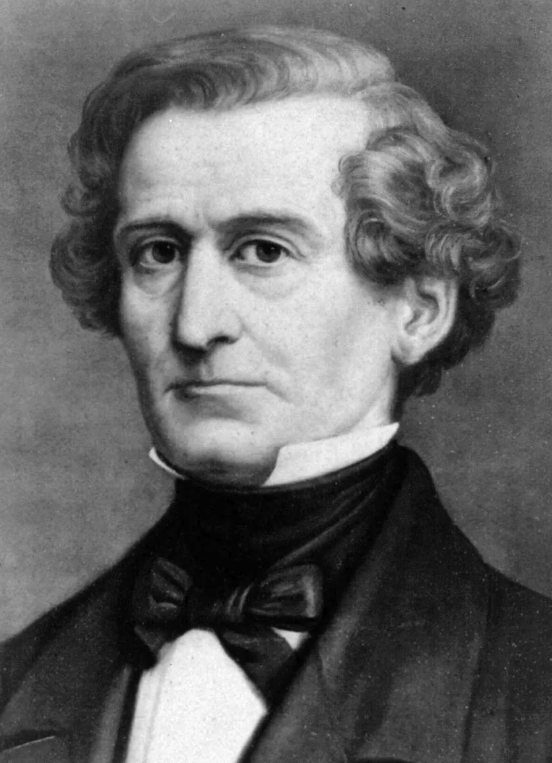
An Immense Musical Vision of Death, Judgment and Eternity
Joining the Windsor & Maidenhead Symphony Orchestra will be the Windsor & Maidenhead Symphony Chorus - Royal Free Singers - Slough Philharmonic Society - Parenthesis Choir - Maidenhead Choral Society - over 300 singers.
Tickets will go on sale in the summer of 2027.
Venue: Windsor Leisure Centre
The score for this work demands an orchestra on an extraordinary scale. Alongside a huge symphonic ensemble, calling for additional brass ensembles, there are multiple sets of timpani, together with bass drums, cymbals and other percussion, while a vast mixed chorus provides the monumental vocal force at the heart of the work.
The result is music of almost unprecedented power and scale: intimate moments can suddenly give way to thunderous brass, pounding percussion and a chorus numbering in the hundreds.
Conductor: Joe Davies
Joe is no stranger to large-scale orchestral and choral works. Most recently, he conducted Mahler’s monumental Symphony of a Thousand with Leamington Sinfonia, bringing together no fewer than eight choirs and eight world-class soloists. His performance attracted high praise from the musical press, with OperaWire declaring: “Ultimately, the biggest plaudits must go to conductor Davies. To see him at work is a sight to behold.”
Tenor Soloist: Rees Batt
Rhys is a graduate of Cardiff University and the Royal College of Music. After graduating from the RCM, Rhys became a member of the Norwegian National Opera, where he worked for three years. Since leaving Oslo, Rhys has worked with some of the UKs most prestigious opera companies, developing a particularly close relationship with Glyndebourne. It's at Glyndebourne that Rhys has had some of this most noted performances, chiefly Nemorino in L'elisir d-amore and Rodolfo in La Bohéme. He is an experience performer on the concert stage and has developed a reputation as a fine interpreter of music from the baroque to the contemporary as evidenced by his many performances of Bach and Handel in concert and ranging to his performance in Jonathan Dove's award-winning new opera Uprising and world premieres such as Paul Mealor's Celtic Prayers with the BBC National Orchestra of Wales.

Berlioz Requiem
Berlioz’s Grande Messe des morts, or Requiem, is one of the most extraordinary works in the entire choral and orchestral repertoire. Written in 1837, it takes the traditional Catholic Mass for the Dead and transforms it into a monumental vision of death, judgment, terror and eternity. Berlioz demands an orchestra of exceptional proportions, including four additional brass ensembles positioned around the performance space, multiple timpani and an enormous percussion section, alongside a vast mixed chorus. These forces allow him to create an astonishing range of sound, from moments of intimate reflection to thunderous climaxes of almost overwhelming power. Yet beneath the spectacle lies music of great tenderness and humanity. The distant brass fanfares of the Tuba mirum, the solemn Lacrymosa and the serene Sanctus reveal a composer capable of extraordinary sensitivity as well as grandeur. The result is a Requiem that is not merely heard, but experienced.